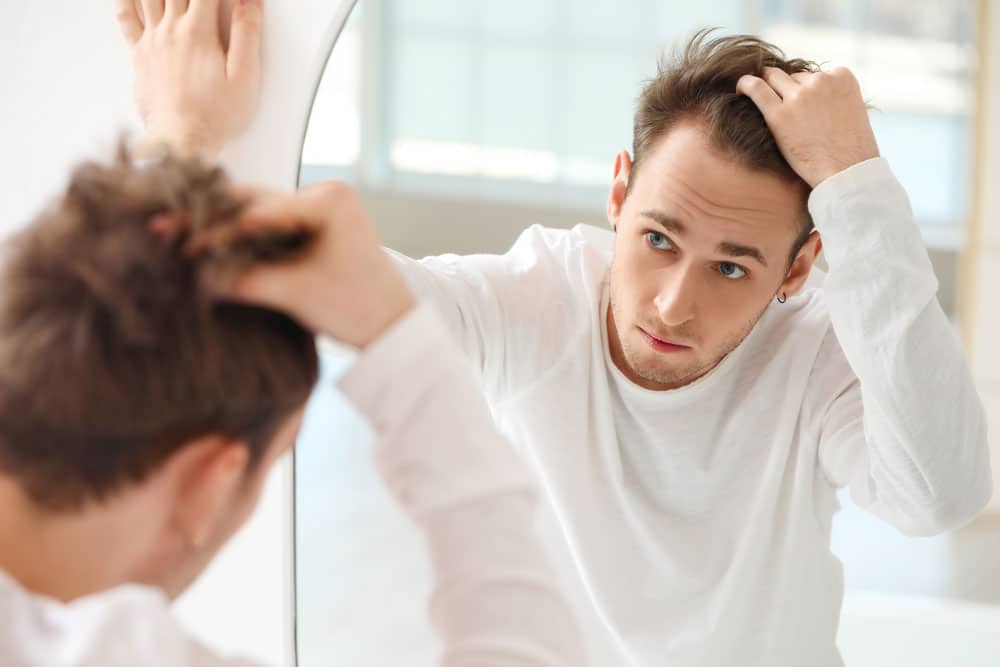
Thinning hair can be a slow process that you may not notice right away. Eventually, you may start to see more hair in the drain catcher or a wider part when you look in the mirror. One treatment, called PRP hair restoration, uses a substance called platelet-rich plasma taken from your blood to wake up hair follicles that have slowed down. The best way to feel prepared for your PRP treatment is to learn everything you can about the process before an appointment at Aledo Empowered Wellness.
Is PRP Hair Restoration Right for You?
PRP is best for those in the earlier states of hair thinning, when follicles are weak and miniaturized but haven’t fully stopped producing hair. Those with hereditary pattern loss, both men and women, can respond well to this treatment at the beginning, and it can help with other causes of hair loss, such as stress or tight hairstyles. People with completely bald areas, or hair loss caused by thyroid problems or nutrient deficiencies, may see less benefit from follicle stimulation. Your provider will review your health history and hair loss pattern before recommending this option.
How to Set Yourself Up for the Best Results Before Your Appointment
Preparing for PRP Hair Restoration
You’ll need to make a few adjustments to your routine in the days before your appointment to help you get the most out of your injections:
- Pause blood thinners and anti-inflammatories: Aspirin, ibuprofen and similar medications may reduce platelet activity, so ask your provider when to stop them.
- Drink plenty of water: If you are hydrated, your blood will be easier to draw and the process will be more comfortable.
- Skip alcohol: Alcohol thins your blood and lowers platelet concentration, so avoid it for 48 hours before treatment.
- Eat before you arrive: A full stomach helps you avoid lightheadedness during the blood draw.
Your Consultation
During your consultation, your plan will start to take shape. Travis MacKenzie, MD, and Marisa MacKenzie, PA-C, have built their practice around going beyond symptoms to finding root causes. During your visit, they will evaluate the degree of your hair loss and ask about anything that could be affecting hair growth, such as hormones, stress, medications, lifestyle and more. They can test for hormone balance and may recommend hormone therapy alongside PRP if an imbalance is contributing.
Your Hair Restoration Options
At Aledo Empowered Wellness, we offer both PRP (platelet-rich plasma) and PRF (platelet-rich fibrin), which are similar but different options for hair restoration. The difference between the two is in how it is processed. PRP is spun quickly to concentrate platelets. PRF is spun more slowly and forms a scaffold that traps platelets and white blood cells to help release growth factors gradually rather than all at once. There are many different factors that determine which is best for each patient, and we will go over all of these during your consultation.
What Happens During Your Hair Restoration Appointment
Step One: The Blood Draw
We start with a blood draw, taken from your arm like regular lab work. Our phlebotomist will collect a vial in a process that takes a few minutes. Only a small amount of blood is needed for this procedure.
Step Two: Centrifuge Processing
Your blood will go into a centrifuge, a machine that spins fast enough to separate the blood into layers by weight. Red blood cells are heavier and sink to the bottom, while the platelet-rich portion that we want for the treatment rises to the top. We draw off this concentrated layer, which holds several times more platelets than ordinary blood along with growth factors that signal follicles to move back into an active growth phase.
Step Three: Scalp Preparation and Injections
Before injection, your provider will clean the scalp before applying a numbing cream to the areas they plan to treat. Once this cream takes effect, the injections can begin. The PRP is placed in the layer of skin that contains the follicles, and you can expect a series of small, fast injections across the thinning area. The whole procedure, from blood draw to the final injection, takes less than an hour.
After Your Appointment
What to Avoid Right After Treatment
Your follicles respond to the growth factors over the following days, and a few habits protect that process.
- Hold off on exercise: Skip intense workouts and heavy sweating for 24 hours.
- Leave your scalp dry at first: Wait four to six hours before washing or wetting the treated area.
- Avoid anti-inflammatory medications: These blunt the healing signals PRP relies on, so avoid them for several days.
- Stay out of heat and sun: Skip saunas, hot showers and direct sun exposure for a day or two.
What Is Normal After PRP?
Redness, mild swelling and soreness at the injection sites are all normal for PRP scalp injections. These side effects go away within one to two days of the treatment. Some people may also feel tightness on their scalp for a short time. You can reach out any time if you have warmth that is continuing to spread or if soreness worsens rather than getting better.
Will I Shed After PRP Hair Restoration?
A temporary increase in shedding a few weeks after treatment can be surprising, but is often a sign that the process is working. Hair grows in cycles, and PRP can nudge weak follicles to release old, thin strands to make way for a healthier strand to grow in. This shedding will settle within a few weeks.
When Will I See My PRP Hair Restoration Results?
PRP works gradually because hair grows slowly. Shedding happens within four to eight weeks. Early changes in thickness appear around two to three months after the treatment, with more noticeable coverage between four and six months. Results tend to compound with consistent treatments spaced four to six weeks apart.
PRP for Hair Restoration at Aledo Empowered Wellness
At Aledo Empowered Wellness, we are independently owned, so you get much more personalized care than you would at a franchise. Travis began competitive bodybuilding in his 40s, and he and Marisa ran a gym in California before moving to Texas, so preventive health and long-term function are an important part of every treatment plan, including PRP hair restoration. They treat the person in front of them, listen closely and customize every detail of the treatment plan with the long-term health of each person in mind. To find out whether PRP fits your hair goals, schedule a consultation or call 817-646-8935.